
Why Creativity and Fun Are Essential for Trauma Healing
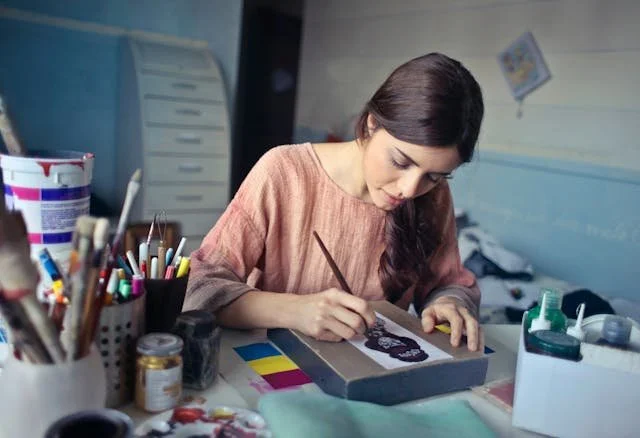
Photo credit: Andrea Piacquadiio
Creativity offers a nonverbal pathway to healing and nervous system regulation.
In therapy, I often ask clients about their hobbies, interests, or leisure activities. It’s a simple question—but one that frequently leads to long pauses or uncertain answers. Many people say, “I don’t really know what I like,” or list a single activity they no longer make time for. Others speak with noticeable warmth about creative outlets that once brought them joy: painting, gardening, crafting, music.
This contrast highlights something important. In a culture that prioritizes productivity, creativity and fun are often the first things to disappear—especially for high-functioning, responsiblewomen who are used to pushing through stress and putting others first.
Yet creativity isn’t optional when it comes to healing. It’s foundational.
Key Points:
Creativity supports trauma healing and emotional regulation – Nonverbal creative outlets like painting, music, or crafting help process emotions that words can’t always reach.
Fun is a practice, not a luxury – Intentionally building enjoyable activities into your routine restores joy, reduces stress, and strengthens coping skills.
Small creative actions have a big impact – Simple acts like dancing, cooking, gardening, or photography can help ground the nervous system and rebuild confidence.
The process matters more than perfection – Healing through creativity is about expression, presence, and self-connection—not skill or outcome.
Important Note: This blog post is for educational and informational purposes only. It is not intended to be a substitute for professional mental health care, diagnosis, or treatment. If you are experiencing distress or struggling with your mental health, please reach out to a qualified mental health professional for personalized support.
The Cost of Constant Productivity
Many women come to therapy feeling burned out, anxious, or disconnected from themselves. Life may look “successful” on the outside, but internally everything feels heavy. Endless to-do lists, chronic stress, and emotional responsibility leave little room for play or exploration.
Over time, this constant productivity takes a toll on the nervous system. When we stay in survival mode—focused on managing, fixing, and performing—the body doesn’t get the signal that it’s safe to rest. Creativity offers a way out of that loop.
How Creativity Supports the Nervous System
Creative activities help shift the nervous system out of fight-or-flight and into a more regulated state. When you paint, cook, dance, sing, or even rearrange a room, your attention moves away from threat and toward curiosity and sensory experience.
Creativity can:
Ground you in the present moment
Release stored emotional tension
Improve emotional regulation
Build resilience and flexibility
Increase confidence and self-trust
Offer perspective when you feel stuck
These benefits are especially meaningful for those recovering from trauma.
Creativity as a Pathway for Trauma Healing
Trauma doesn’t live only in thoughts—it’s held in the body and nervous system. This is why talking alone doesn’t always bring relief. For many people with complex trauma or developmental trauma, putting feelings into words can feel overwhelming or even impossible.
Creative expression provides a nonverbal communication pathway to healing. It allows emotions to be externalized safely, without pressure to explain or analyze. Creating something—no matter how simple—can restore a sense of agency and choice, which trauma often takes away.
Creativity also gently reminds the brain that exploration, imagination, and pleasure are safe again.
Letting Go of “Perfect”
One of the biggest barriers to creativity is perfectionism or anxiety. Many women avoid creative outlets because they believe they need to be good at them for them to “count.” But healing creativity is not about outcomes—it’s about process.
Recently, I spent time painting using a step-by-step watercolor book. The structure made it accessible, and the experience was grounding. Slowing down, noticing colors and brushstrokes, and allowing myself to create without judgment felt restorative and compassionate. The painting wasn’t perfect—but that was never the point.
Reframing Fun as a Practice
If you enjoy reading, be sure to add The Fun Habit to your list. It’s a book that challenges the idea that fun is something we earn after everything else is done. Instead, it invites us to think of fun as a habit—something we intentionally build into our lives.
This shift is powerful, especially for women navigating burnout or trauma recovery. Fun and joy aren’t distractions from healing; they’re often essential to it.
Reclaiming Creativity (Without Overthinking It)
If creativity feels distant, start small. Think about creative coping activities that once brought you joy—perhaps even in childhood. You don’t need a grand plan or expensive supplies. Small moments of creativity still matter.
Some gentle ideas include:
Building a music playlist
Cooking or baking something new
Watercolor painting or coloring
Gardening or arranging flowers
Dancing or singing at home
Styling a bookshelf or room using what you already have
Pulling together new outfits
Taking photos, thrifting, or planning a future trip
Hosting a game night or trying a new restaurant
Changing your routine in one small way
Creativity doesn’t have to be productive or impressive. It just needs to feel nourishing.
Creativity Is Part of Healing
If you’re feeling disconnected, overwhelmed, or unsure of who you are anymore, creativity can be a gentle place to start. Think of it as another tool in your coping skills toolbox—one that supports regulation, healing, and reconnection.
You don’t need to do it perfectly. You just need to begin.